Explore the collection
Find guides to common questions, observations to record and ways to prepare for veterinary care. Each article identifies its original writer, editorial updates and medical-review status.
These resources offer general information. For a concern about your own pet, contact your veterinary practice.
Browse articles
39guides
Dog allergy tests: what they can and cannot tell you
Understand the different purposes of dog allergy tests, the evidence on food and hair-based testing, and questions to discuss with your veterinarian.

Preparing for your dog’s veterinary visit
Prepare a useful health history, plan for travel and handling, and leave your dog’s veterinary appointment with clear instructions and follow-up questions.

Understanding your cat’s daily routine
Build a flexible daily routine around your cat’s environment, play and preferences, and keep useful notes about changes to discuss with your veterinarian.

Dog feeding basics: questions for your veterinarian
Learn what to record about your dog’s diet, which food-label details to examine, and how to prepare useful questions about nutrition and individual needs.

Hair and bioresonance tests for dogs: evidence and limitations
Examine what hair and bioresonance test claims mean, what published studies actually tested, and why accuracy concerns are different from proof of harm.
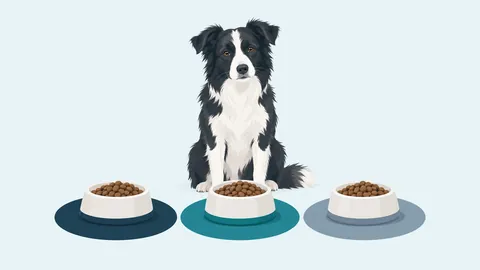
Food allergy, intolerance and sensitivity: what the words mean
Understand the distinctions between food allergy and intolerance, why sensitivity needs a definition, and why a report label does not establish a diagnosis.
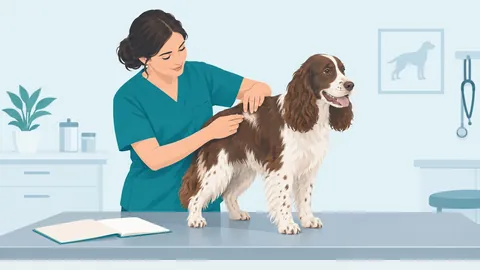
How a veterinarian investigates a dog’s suspected allergies
Explore why history, examination and follow-up matter in a dog’s allergy investigation, and questions to ask about each proposed diagnostic step.

Reading an at-home dog test report
Learn how to inspect a dog test report’s method, labels and supporting evidence, and what to ask before treating a positive classification as a diagnosis.
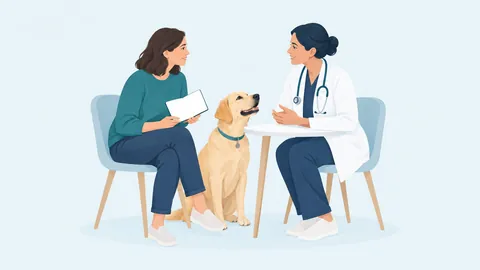
Questions to ask your veterinarian about dog allergy testing
Use this appointment worksheet to organize your dog’s history and ask what an allergy test would change, what evidence supports it and how follow-up works.

A new puppy checklist for the first days at home
Preparation makes the first few days calmer for both you and your puppy. Focus on safe essentials, a predictable routine and a veterinary appointment. You can.

Cat sneezing: irritants, infections and warning signs
A single sneeze can follow a brief irritation. Repeated sneezing, discharge or a change in how your cat feels deserves a closer look. Pay attention to the whole.
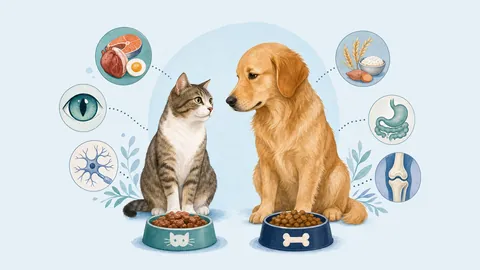
Can cats eat dog food? Why their diets are different
Dog food should not replace a cat's regular diet. Cats have nutritional requirements that differ from dogs, and a food formulated for one species is not.

Kitten play and enrichment: simple games to try
Play gives a kitten opportunities to explore, stalk, chase and learn. You do not need a large collection of expensive toys. A few safe options, supervision and.

Cat hairballs: grooming, prevention and warning signs
Cats swallow loose hair while grooming. Much of it passes through the digestive tract, but some may be brought up as a hairball. Repeated retching or vomiting.

Cat lifespan and senior care: supporting the years ahead
There is no single lifespan that predicts how long an individual cat will live. Genetics, environment, health and access to care all play a part. A useful.
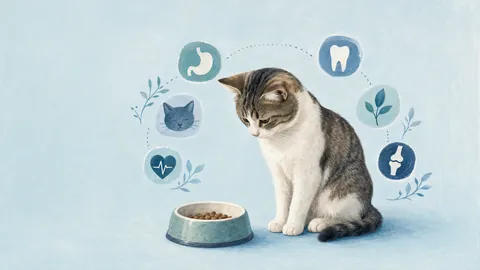
Cat not eating: why appetite changes deserve attention
A cat that stops eating needs prompt attention. Appetite loss can accompany pain, nausea, disease or stress. Do not assume that a cat is being stubborn, and do.
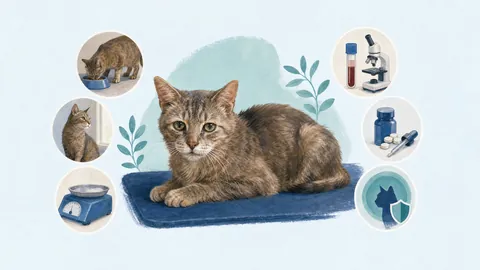
Hyperthyroidism in cats: signs, testing and treatment options
An older cat that loses weight despite a strong appetite needs an examination. Hyperthyroidism is one possible cause, but other illnesses can produce similar.
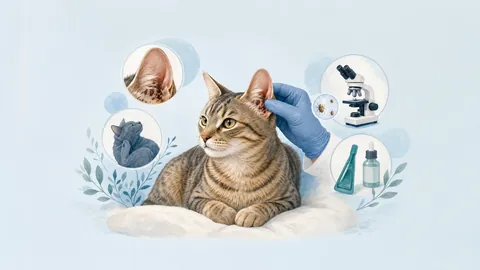
Ear mites in cats: signs, diagnosis and treatment
Ear mites can cause irritation and scratching, but they are not the only explanation for a cat's uncomfortable ears. Dark debris, head shaking or repeated.
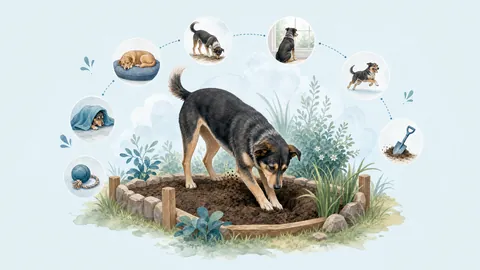
Why dogs dig and how to manage it
Digging can be normal canine behavior, but it becomes a problem when it damages a garden or creates an escape route. Start by asking what the dog is getting from.

Cat vomiting: possible causes and when to call the vet
Vomiting is a symptom, not a diagnosis. A cat may bring up food, fluid or a hairball for several reasons. Repeated episodes, changes in appetite or signs of.

Separation anxiety in dogs: recognizing distress and finding help
A dog that panics when left alone needs support, not punishment. Barking, pacing, destruction or toileting during an absence can have several causes. A.

How to potty train a puppy with a consistent routine
Potty training begins with opportunities to succeed. A puppy needs frequent toilet breaks, supervision and a clear reward when they use the chosen place..
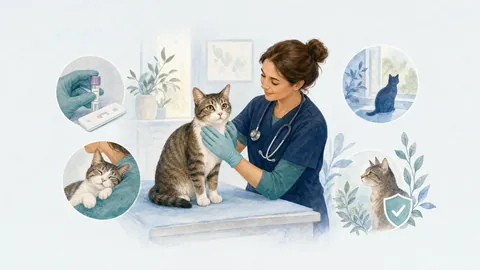
Feline leukemia virus: testing, prevention and care
Feline leukemia virus, or FeLV, is an infectious disease of cats. It can affect the immune system and contribute to other serious illness. Testing and an.

Trimming your dog's nails safely and calmly
Nail care should be a comfortable routine, not a contest of strength. The right interval depends on your dog's nails, movement and the surfaces they walk on. A.

Dog allergies: common patterns and practical care
Persistent scratching, paw licking or recurring ear trouble may be associated with allergies. Similar signs can also come from parasites, infection or other skin.

Introducing a kitten or new cat to your resident cat
A gradual introduction gives both cats a chance to feel secure. The goal is comfortable coexistence, not an immediate friendship. Plan around their behavior.

Why cats hiss: understanding the warning and giving space
Hissing is information. A cat may be frightened, uncomfortable, overwhelmed or in pain. Responding by giving space and considering the context is more useful.

Can dogs eat cucumbers? Serving a simple occasional treat
Plain cucumber can be an occasional treat for many dogs. It should be offered in a small amount and prepared to suit the dog's size and chewing ability. It is.

Arthritis in dogs: signs and everyday support
A dog that is slower to rise, reluctant to climb steps or less interested in a familiar walk may be uncomfortable. These changes should not automatically be.

Dog ear infections: signs, diagnosis and care
Head shaking, an unusual ear odor or repeated scratching can be signs of an ear problem. A painful ear needs an examination rather than a trial of household.

Puppy vaccinations: building a reliable schedule
A puppy's vaccination plan is a series of appointments, not a single first shot. The timing depends on age, previous records, the vaccine and the veterinarian's.

Leptospirosis vaccination: what dog owners should know
Leptospirosis is a bacterial disease that can affect dogs and people. Exposure can involve infected urine or contaminated water and soil. A prevention.
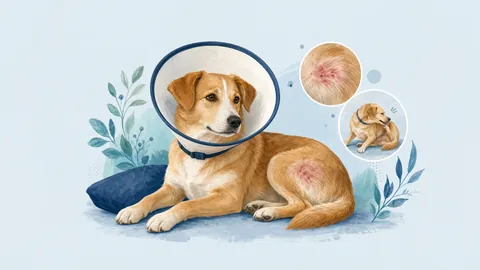
Hot spots on dogs: recognizing painful skin irritation
A hot spot is an inflamed, moist area of skin that a dog may lick, chew or scratch repeatedly. The surface can become raw and matted with fur. Because these.

Why is my dog itching? What to observe and when to get help
An occasional scratch is different from itching that interrupts sleep, play or eating. Repeated licking, chewing or rubbing can damage the skin and leave a dog.
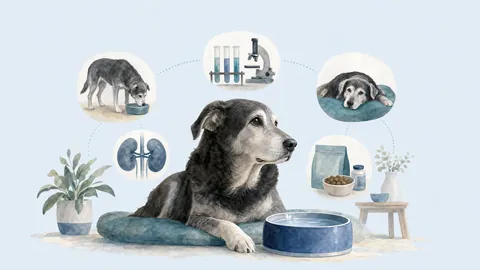
Kidney disease in dogs: signs, testing and ongoing care
Changes in thirst, urination, appetite or energy can be reasons to check a dog's kidney health. These signs are not specific to kidney disease, and some dogs.

Dog diarrhea: causes, warning signs and next steps
Loose stools can follow a change in food, an infection or something a dog should not have eaten. The appearance of the stool is useful information, but it cannot.

Fiber in dog food: benefits, limits and questions to ask
Fiber is part of many dog foods, but more is not automatically better. The type and amount that suits a dog depends on the complete diet and the reason for.

Cataracts in dogs: cloudy eyes and changes in vision
Cloudiness in a dog's eye deserves a veterinary examination. It may be a cataract, an age-related lens change or another eye problem. Looking at a photograph is.

How to care for your dog's teeth at home
A useful dental routine combines gentle home care with veterinary examinations. Bad breath, a change in chewing or reluctance to have the mouth touched can be.