
Begin with the clinical picture
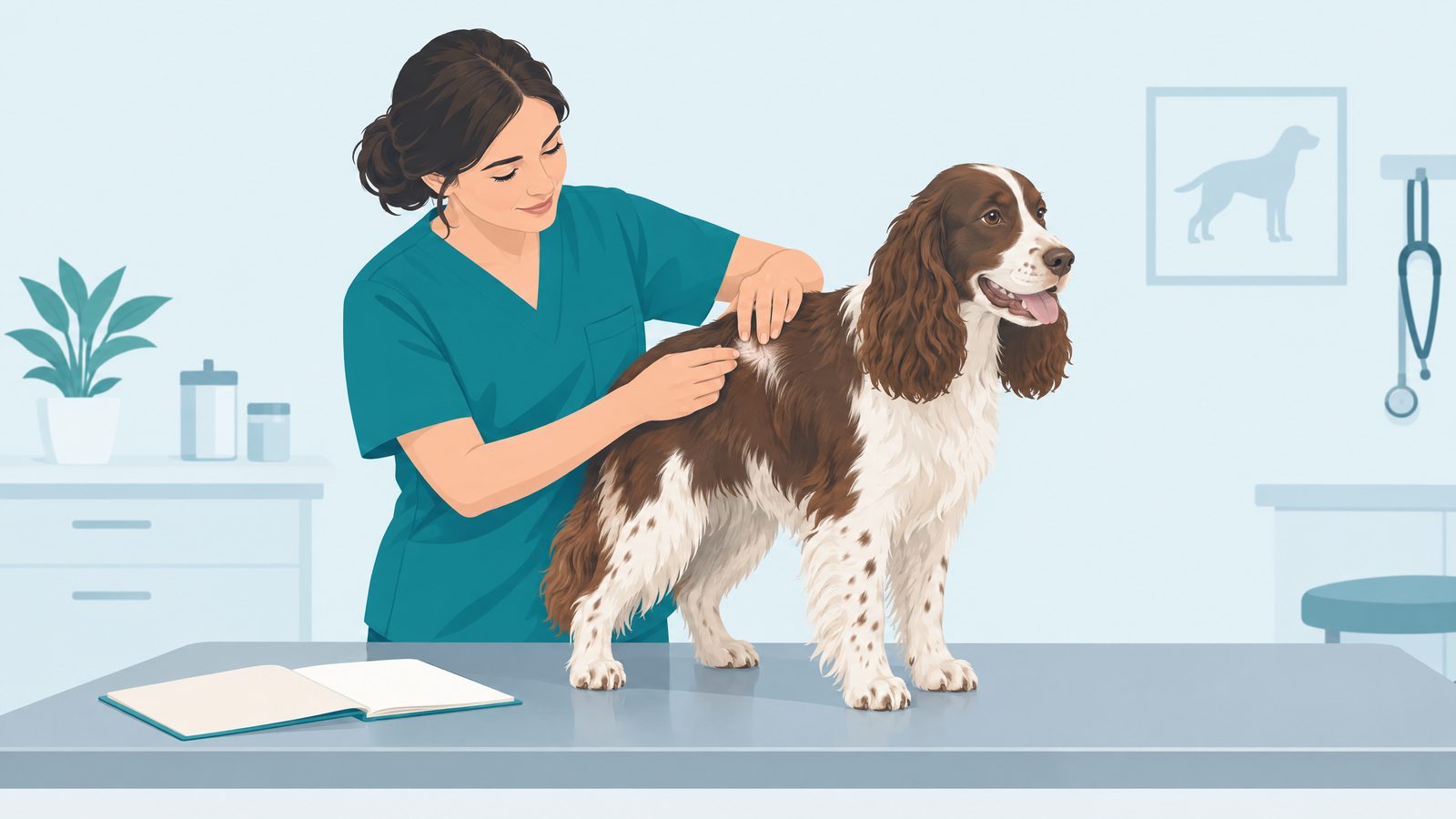
The AAHA allergic skin disease guidelines begin with history and examination, alongside skin assessment, which can include examining cells under a microscope (cytology), flea combing and skin scrapings. These are veterinary procedures selected in context, not a list of tasks for an owner to perform.
Understand the next decision
Ask what possibilities the veterinarian is investigating and how a result would change the next step. A follow-up appointment may be part of assessing response or clarifying the picture. AAHA’s diagnostic summary describes rechecks and a diet trial where food allergy remains a possibility.
Keep the purpose of testing clear
Environmental-allergen testing fits an immunotherapy decision; it should not be treated as a stand-alone screen for atopy. The main testing guide explains that distinction.
Useful questions include: What is this step meant to rule in or out? What preparation does my dog need? When will we review the findings? Ask the practice for instructions rather than changing medication or preparing samples on your own.
Bea G.
This step-by-step view makes so much more sense than what I pictured. I assumed there was one 'allergy test' and vets were just choosing not to run it.
Victor L.
Is there a reason a vet would pick intradermal testing over the blood test when planning immunotherapy, or is it mostly availability?
Veterinarians.org Editorial Team
The choice between them involves case-specific factors the article only touches on, so that's a great question to put to your veterinarian or a veterinary dermatologist directly — the article's section on immunotherapy planning can help frame it.