Explore the collection
Find guides to common questions, observations to record and ways to prepare for veterinary care. Each article identifies its original writer, editorial updates and medical-review status.
These resources offer general information. For a concern about your own pet, contact your veterinary practice.
Browse articles
13guides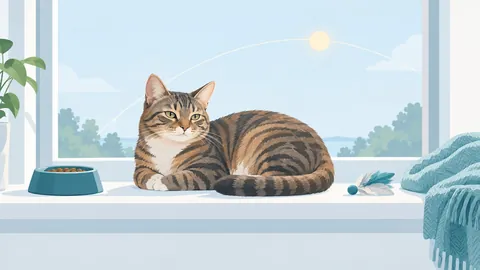
Understanding your cat’s daily routine
Build a flexible daily routine around your cat’s environment, play and preferences, and keep useful notes about changes to discuss with your veterinarian.

Cat sneezing: irritants, infections and warning signs
A single sneeze can follow a brief irritation. Repeated sneezing, discharge or a change in how your cat feels deserves a closer look. Pay attention to the whole.

Can cats eat dog food? Why their diets are different
Dog food should not replace a cat's regular diet. Cats have nutritional requirements that differ from dogs, and a food formulated for one species is not.

Kitten play and enrichment: simple games to try
Play gives a kitten opportunities to explore, stalk, chase and learn. You do not need a large collection of expensive toys. A few safe options, supervision and.
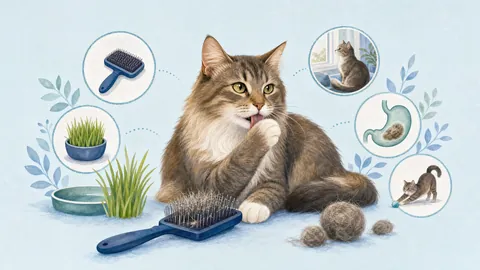
Cat hairballs: grooming, prevention and warning signs
Cats swallow loose hair while grooming. Much of it passes through the digestive tract, but some may be brought up as a hairball. Repeated retching or vomiting.

Cat lifespan and senior care: supporting the years ahead
There is no single lifespan that predicts how long an individual cat will live. Genetics, environment, health and access to care all play a part. A useful.
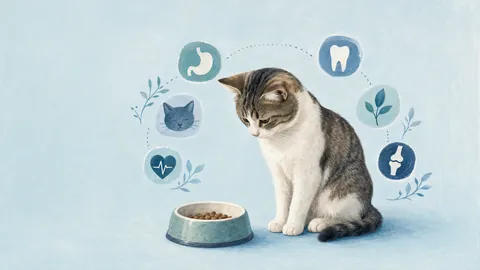
Cat not eating: why appetite changes deserve attention
A cat that stops eating needs prompt attention. Appetite loss can accompany pain, nausea, disease or stress. Do not assume that a cat is being stubborn, and do.
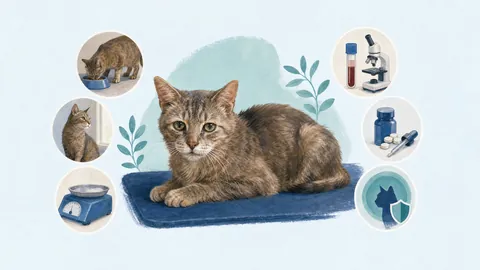
Hyperthyroidism in cats: signs, testing and treatment options
An older cat that loses weight despite a strong appetite needs an examination. Hyperthyroidism is one possible cause, but other illnesses can produce similar.
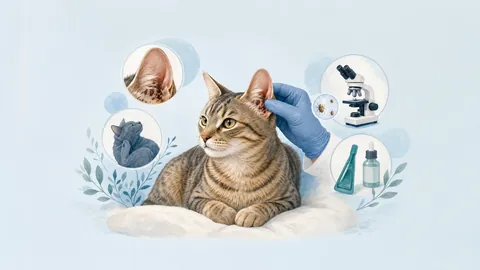
Ear mites in cats: signs, diagnosis and treatment
Ear mites can cause irritation and scratching, but they are not the only explanation for a cat's uncomfortable ears. Dark debris, head shaking or repeated.

Cat vomiting: possible causes and when to call the vet
Vomiting is a symptom, not a diagnosis. A cat may bring up food, fluid or a hairball for several reasons. Repeated episodes, changes in appetite or signs of.
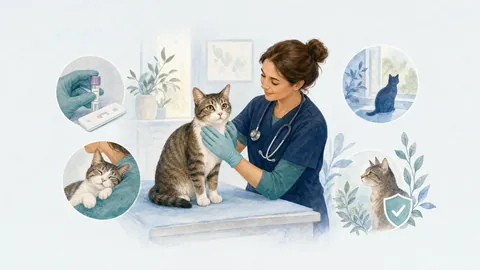
Feline leukemia virus: testing, prevention and care
Feline leukemia virus, or FeLV, is an infectious disease of cats. It can affect the immune system and contribute to other serious illness. Testing and an.
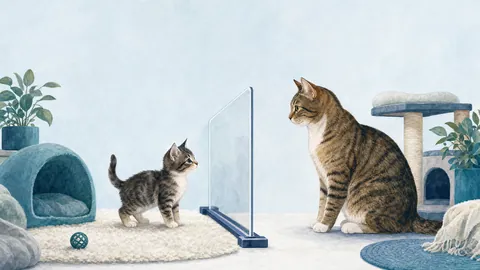
Introducing a kitten or new cat to your resident cat
A gradual introduction gives both cats a chance to feel secure. The goal is comfortable coexistence, not an immediate friendship. Plan around their behavior.

Why cats hiss: understanding the warning and giving space
Hissing is information. A cat may be frightened, uncomfortable, overwhelmed or in pain. Responding by giving space and considering the context is more useful.