Explore the collection
Find guides to common questions, observations to record and ways to prepare for veterinary care. Each article identifies its original writer, editorial updates and medical-review status.
These resources offer general information. For a concern about your own pet, contact your veterinary practice.
Browse articles
7guides
Cat sneezing: irritants, infections and warning signs
A single sneeze can follow a brief irritation. Repeated sneezing, discharge or a change in how your cat feels deserves a closer look. Pay attention to the whole.
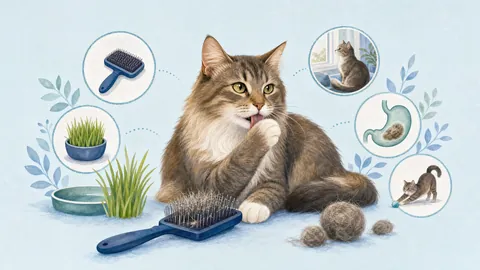
Cat hairballs: grooming, prevention and warning signs
Cats swallow loose hair while grooming. Much of it passes through the digestive tract, but some may be brought up as a hairball. Repeated retching or vomiting.
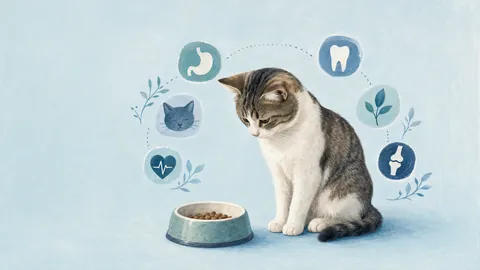
Cat not eating: why appetite changes deserve attention
A cat that stops eating needs prompt attention. Appetite loss can accompany pain, nausea, disease or stress. Do not assume that a cat is being stubborn, and do.
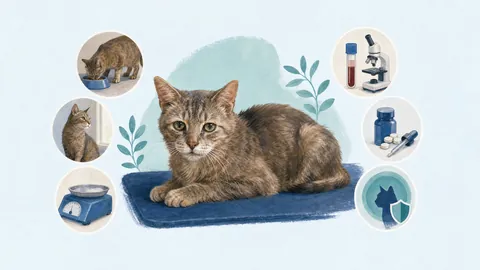
Hyperthyroidism in cats: signs, testing and treatment options
An older cat that loses weight despite a strong appetite needs an examination. Hyperthyroidism is one possible cause, but other illnesses can produce similar.
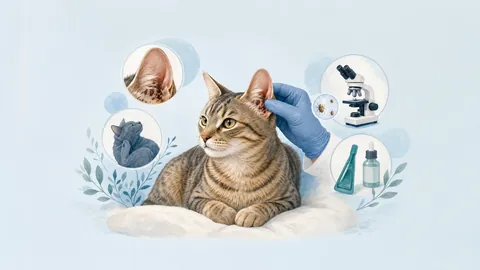
Ear mites in cats: signs, diagnosis and treatment
Ear mites can cause irritation and scratching, but they are not the only explanation for a cat's uncomfortable ears. Dark debris, head shaking or repeated.

Cat vomiting: possible causes and when to call the vet
Vomiting is a symptom, not a diagnosis. A cat may bring up food, fluid or a hairball for several reasons. Repeated episodes, changes in appetite or signs of.
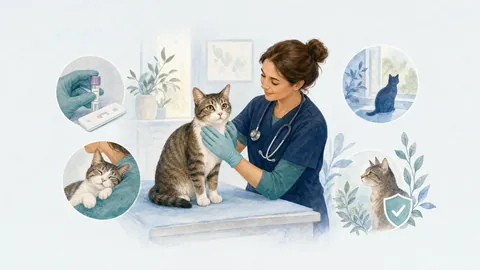
Feline leukemia virus: testing, prevention and care
Feline leukemia virus, or FeLV, is an infectious disease of cats. It can affect the immune system and contribute to other serious illness. Testing and an.